Rock Rake Tractor Supply: Your Guide to Efficient Land Management
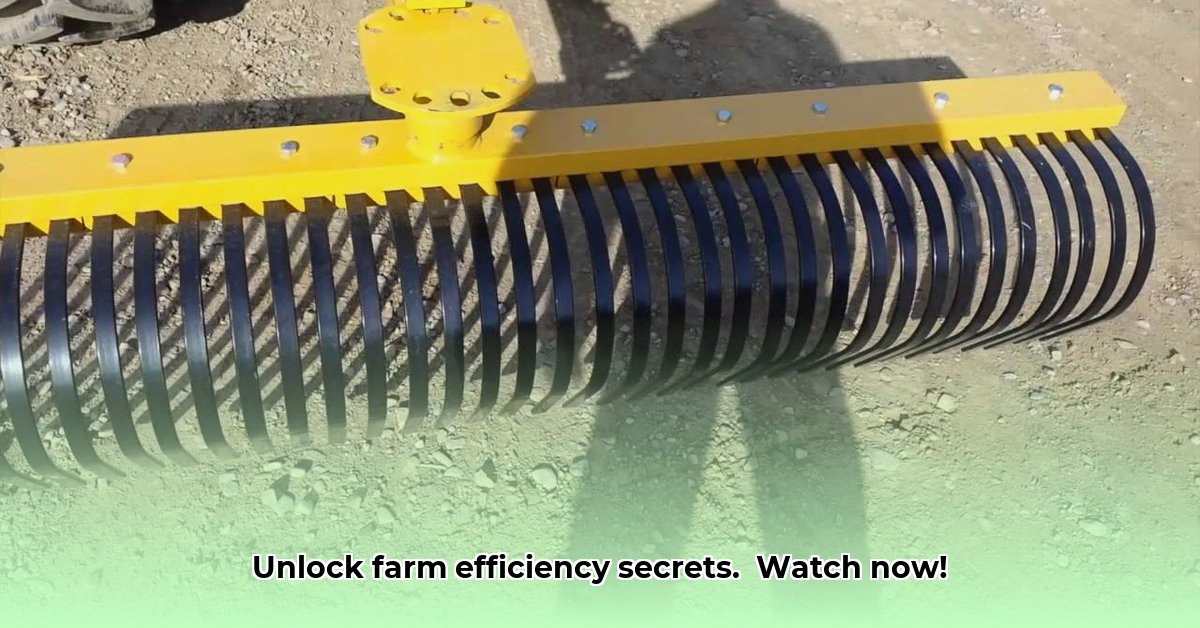
Choosing the right rock rake for your tractor significantly impacts your farm's efficiency and sustainability. This guide provides actionable advice on selecting and using a rock rake effectively and sustainably. For more detailed information on rock rakes, visit our dedicated resource page: Rock Rake Guide.
Selecting the Perfect Rock Rake: Matching Your Needs to the Equipment
Finding the ideal rock rake requires careful consideration of several key factors:
1. Tractor Compatibility: Ensuring a Safe and Effective Connection
Before you even consider the rake's features, ensure it's compatible with your tractor's three-point hitch system (the mechanism connecting implements to your tractor). Check your tractor's owner's manual for weight limits; exceeding these limits can damage your tractor. A properly matched hitch ensures safe and efficient operation.
2. Rake Size and Working Width: Optimizing for Your Acreage and Terrain
Rake size directly affects your working speed and maneuverability. Wider rakes cover more ground quickly but might struggle in tight spaces. Narrower rakes are more maneuverable in confined areas but require more passes to cover the same ground. Consider your acreage and the layout of your land—rolling hills, tight corners, or open fields—when choosing your rake's width. A 6-foot-wide rake is ideal for large, open fields, while a 4-foot rake might be better suited for smaller areas or work around obstacles. What is the optimal balance of speed and maneuverability for your operation?
3. Tine Material and Construction: Durability and Longevity
The tines (the teeth of the rake) are crucial for its performance and lifespan. High-quality steel is essential for impact resistance and durability. Look for specifications on the type of steel used (its hardness and tensile strength). Durable tines minimize the need for replacements, reducing costs and environmental impact over the rake's lifetime. Consider the type of materials you'll be moving—rocks, debris, etc.—when evaluating the required strength and durability of the tines. What type of steel offers the ideal balance of performance and longevity for your operations?
4. Budget and Cost Considerations: Total Cost of Ownership
Don't just consider the initial purchase price. Factor in maintenance costs (lubrication, potential tine replacement), potential repairs (broken mounts, damaged tines), and eventual replacement costs. A high-quality rake, while potentially more expensive upfront, might prove more economical over time due to increased durability and reduced maintenance. Calculate the total cost of ownership (TCO) to make an informed decision. What is the most cost-effective option factoring in long-term expenses?
5. Warranty and Parts Availability: Safeguarding Your Investment
A good warranty protects your investment against defects. Equally important is readily available parts. Downtime due to waiting for parts can significantly impact your productivity. Before making your purchase, check the warranty’s terms and conditions and contact potential suppliers to inquire about parts availability. How important is readily available service and parts compared to the initial purchase price?
Operating Your Rock Rake: Prioritizing Safety and Efficiency
Safe and efficient operation is paramount. Follow these steps:
1. Mounting the Rake: Carefully connect the rake to your tractor's three-point hitch. Follow the manufacturer's instructions precisely. Double-check all connections before starting the tractor.
2. Proper Operating Techniques: Maintain a consistent, controlled speed. Avoid jerky movements. Adjust speed to the terrain and the volume of material being moved. Minimize soil compaction by working the ground at the right speed.
3. Safety Precautions: Always wear appropriate safety gear (safety glasses, hearing protection, sturdy boots, long pants). Remain aware of your surroundings (obstacles, other people, animals). Maintain a safe distance from the rake’s working area.
4. Dismounting the Rake: After use, carefully disconnect the rake following the manufacturer's instructions.
Maintaining Your Rock Rake: Preventative Measures for Long-Term Performance
Regular maintenance extends your rake's lifespan:
- Regular Inspections: After each use, check for damage (bent tines, wear on the hitch).
- Lubrication: Regularly lubricate moving parts (as recommended by the manufacturer) to reduce wear.
- Storage: Store the rake in a dry, covered area to prevent rust and corrosion.
- Addressing Problems: Address any issues promptly to prevent small problems from becoming major repairs.
Sustainability: Environmental Considerations in Land Management
Using a landscape rake promotes sustainable farming practices by improving soil health and reducing the need for chemical treatments. However, consider the environmental impact of manufacturing, use, and disposal. Choose durable, repairable rakes that are designed for a long service life. Responsible disposal practices are also essential.
Key Takeaways:
- Proper rake selection drastically boosts farm efficiency.
- Regular maintenance is crucial for long-term performance.
- Sustainable practices minimize environmental impact.
- Considering the total cost of ownership is vital for informed buying decisions.